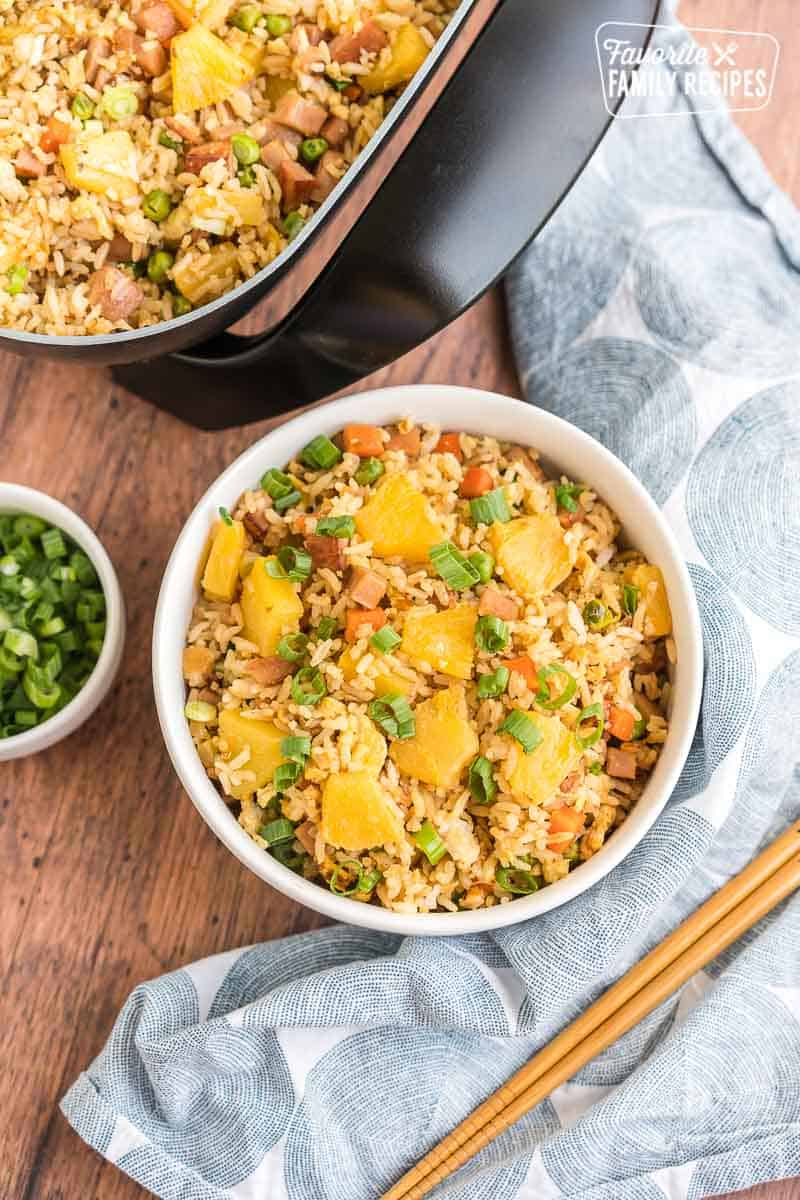
The culinary world is rich with dishes that transport you to faraway lands with a single bite. Among them, pineapple fried rice stands out as a vibrant, flavorful masterpiece, a true jewel of Thai cuisine. This delightful dish is more than just a meal; it's an experience, combining the unexpected sweetness of ripe pineapple with savory rice, crisp vegetables, scrambled eggs, and crunchy cashews. Far from being just another takeout option, homemade pineapple fried rice is a healthy, quick, and incredibly satisfying weeknight dinner that often surpasses its restaurant counterparts in both freshness and flavor. Prepare to embark on a journey that will elevate your home cooking and leave you wondering why you ever ordered in.
The Allure of Pineapple Fried Rice: A Taste of Thailand at Home
There's something inherently captivating about Thai cuisine, and pineapple fried rice perfectly encapsulates its spirit: a harmonious balance of sweet, savory, sour, and spicy. Originating from Thailand, this dish is celebrated not just for its exquisite taste but also for its stunning presentation, often served dramatically in a hollowed-out pineapple shell. While my rendition, like many beloved home-cooked meals, may not adhere to every single traditional facet, it undoubtedly captures the essence and the unforgettable flavor profile that inspires so many.
What makes this dish so universally loved? It’s the dynamic interplay of textures and tastes. Imagine fluffy grains of rice, infused with aromatic garlic and onion, stir-fried with tender chunks of pineapple that burst with tropical sweetness. Add to this the savory notes of soy sauce and perhaps a hint of fish sauce, the delicate richness of scrambled eggs, the satisfying crunch of toasted cashews, and the vibrant freshness of bell peppers or other vegetables. It’s a symphony for the senses, providing a meal that feels both indulgent and surprisingly wholesome. Forget the heavy, often greasy versions you might find; crafting your own means you control the quality and quantity of every ingredient, leading to a much lighter and brighter outcome.
Crafting Restaurant-Quality Pineapple Fried Rice: Key Ingredients and Techniques
Achieving that coveted restaurant-quality finish for your pineapple fried rice at home is entirely within reach, provided you pay attention to a few crucial ingredients and techniques. It's about building layers of flavor and ensuring each component contributes to the overall perfection.
The Importance of Day-Old Rice
This is arguably the most critical tip for any fried rice dish. Freshly cooked rice is often too moist and soft, leading to a clumpy, mushy mess when stir-fried. Day-old (or even two-day-old), cold rice, ideally refrigerated uncovered for a bit, has less moisture content. This allows the grains to separate beautifully, toast slightly in the hot wok, and absorb the flavors of your sauce without becoming gummy. For best results, use a medium-grain or long-grain rice like Jasmine; its slight stickiness holds the dish together while still frying up nicely.
Selecting and Preparing Your Pineapple
While canned pineapple can work in a pinch, fresh pineapple elevates this dish to another level. Look for a pineapple that smells sweet at the base and gives slightly when pressed. For the rice, cut the pineapple into small, bite-sized cubes. If you're feeling ambitious and want to replicate the iconic presentation, carefully halve the pineapple lengthwise, scoop out the flesh (leaving about a half-inch border), and reserve the shells for serving. This simple act transforms a delicious meal into a showstopper.
Essential Aromatic and Flavor Foundations
- Aromatics: Fresh garlic and onion are non-negotiable. They form the fragrant base that permeates the entire dish.
- Protein: Scrambled eggs are classic and provide a lovely texture and richness. For added heartiness, consider diced chicken, succulent shrimp, or a combination. For those seeking a plant-based option, firm tofu, pressed and cubed, fries up beautifully.
- Vegetables: Bell peppers (red, yellow, or orange for a pop of color), frozen peas, and shredded carrots are common additions. The reference context even notes using leftover bell pepper instead of tomato, highlighting the dish's flexibility. Feel free to incorporate other favorites like snap peas or corn.
- The Sauce: A balanced sauce is key. Combine quality soy sauce, a touch of fish sauce (for authentic Thai depth), a small amount of sugar (to complement the pineapple’s sweetness without making it overly cloying), and a dash of white pepper. Some versions also benefit from a hint of curry powder, which adds a beautiful golden hue and a warm, complex spice note.
- Garnish: Toasted cashews are a must for their buttery crunch. Fresh cilantro and lime wedges brighten the finish.
Mastering the Wok (or Skillet) Technique
The cooking method for fried rice is all about high heat and quick movements. Whether you're using a traditional wok or a large, heavy-bottomed skillet, ensure it’s screaming hot before you add oil. This creates a non-stick surface and ensures a proper stir-fry, not a steam. Cook your aromatics first until fragrant, then add your protein (if using), cooking until nearly done. Next come the harder vegetables, followed by the softer ones. Finally, add your cold rice, breaking up any clumps, and stir-fry vigorously, allowing the grains to lightly toast. Integrate the pineapple cubes and pour in your sauce, tossing constantly to ensure every grain is coated. The goal is to cook quickly, preserving the crisp-tender texture of the vegetables and the distinctness of each rice grain. This rapid cooking approach, similar to techniques used in other quick stir-fries like spicy kale and coconut fried rice, ensures maximum flavor and minimal sogginess.
Beyond the Basics: Customizing Your Pineapple Fried Rice
One of the true joys of cooking pineapple fried rice at home is the ability to tailor it precisely to your preferences. This dish is incredibly forgiving and invites experimentation, allowing you to make it uniquely yours.
- Vegetarian and Vegan Adaptations: If you're looking for a meat-free option, simply omit the chicken or shrimp. Tofu is an excellent protein substitute; press it well, cut it into cubes, and fry until golden before adding to the rice. For a fully vegan version, skip the eggs and substitute fish sauce with an equal amount of light soy sauce or a vegan "fish" sauce alternative. Many vegetable-forward additions like broccoli florets, mushrooms, or water chestnuts can further enhance its flavor and texture. For more fantastic plant-based ideas, you might find inspiration in various vegetarian pineapple fried rice - Article 2 recipes that focus on maximizing vegetable goodness.
- Adjusting the Spice Level: For a mild dish, simply omit the chilies. If you crave heat, add finely minced bird's eye chilies with your aromatics, or stir in a teaspoon of chili paste or sriracha with your sauce.
- Protein Power-Ups: Beyond chicken and shrimp, consider thinly sliced pork, beef, or even a mix of seafood for a surf-and-turf experience. The versatility means you can truly make it a complete meal tailored to any palate.
- Flavor Boosters: A drizzle of toasted sesame oil right before serving adds a nutty depth. A final squeeze of fresh lime juice brightens all the flavors, cutting through the richness beautifully.
Why Homemade Pineapple Fried Rice Trumps Takeout
While the convenience of takeout is undeniable, there are compelling reasons why investing the time to make pineapple fried rice from scratch is a profoundly rewarding choice. It's an opportunity to create something truly exceptional, often surpassing anything you could order.
- Unmatched Freshness: You control every ingredient, ensuring the freshest pineapple, crispest vegetables, and highest quality proteins. This directly translates to a more vibrant and flavorful dish.
- Healthier Choices: Takeout versions can often be laden with excessive oil, sodium, and sometimes sugar. At home, you dictate the amount of oil, choose low-sodium soy sauce, and manage any added sweeteners, making it a much lighter and healthier meal.
- Customization to Perfection: Dietary restrictions, spice preferences, favorite vegetables – all can be precisely managed when cooking yourself. No more picking out ingredients you don't like or wishing for more of your favorites.
- Cost-Effectiveness: A single homemade batch of pineapple fried rice can often yield multiple servings for the price of one takeout order, making it a budget-friendly option for families or meal prepping.
- The Joy of Creation: There's immense satisfaction in preparing a beautiful, delicious meal from start to finish. The aroma filling your kitchen and the beaming faces of those you share it with are rewards in themselves. For more detailed steps on mastering this art, exploring resources like comprehensive pineapple fried rice - Article 3 tutorials can be incredibly beneficial.
From its dazzling presentation to its complex yet balanced flavors, pineapple fried rice is a dish that truly embodies the spirit of adventurous home cooking. It's a testament to how simple ingredients, combined with a little technique and creativity, can transform into an extraordinary meal. Whether you're a seasoned chef or a kitchen novice, embracing the process of making this Thai classic will not only yield a delicious dinner but also expand your culinary horizons. So grab your wok, gather your ingredients, and prepare to bring a little slice of tropical paradise right into your home kitchen.
